 NexGPU-算力租赁,GPU服务器,GPU云算力,AI服务器租用-新闻博客
In the AI industry, rivals often compete fiercely on algorithms and model performance. But at the underlying infrastructure level, the situation has reversed. Last week, news spread in the tech circle that Anthropic, the developer of Claude, plans to rent resources worth $10 billion from competitor Meta, making computing power rental a focal point of industry discussion again.
One is a pioneering startup with large language models, the other a social media giant championing open source. They are direct competitors at the model level, yet they seek cooperation in underlying infrastructure. For newcomers, this phenomenon of "turning enemies into friends" reveals a fact: the endgame of the large model race is not just algorithm iteration, but also hardware contention. In this context, flexible access to hardware resources is becoming a standard for AI teams starting out.
Q1: Why would a unicorn like Anthropic rent hardware from a direct competitor?
To understand this phenomenon, you first need to grasp the current pain point in the AI industry: extreme shortage of computing power. Even companies like Anthropic, valued at tens of billions of dollars with top-tier algorithm teams, often face the dilemma of "having guns but no bullets." According to relevant disclosures, Anthropic proposed this two-year, large-scale rental plan to ensure that training its next-generation large models is not constrained by hardware bottlenecks.
Typically, startups rely on major cloud services. However, as model parameter counts grow exponentially, the supply speed of a single giant cannot keep up with the appetite of frontier labs. In such cases, turning to non-traditional cloud providers with abundant off-the-shelf hardware and temporary idle resources through computing power rental becomes the most practical choice. As long as you can get computing power at a reasonable price, the identity of the competitor becomes less important.
Q2: Why does Meta rent out hardware to others instead of using it for its own models?
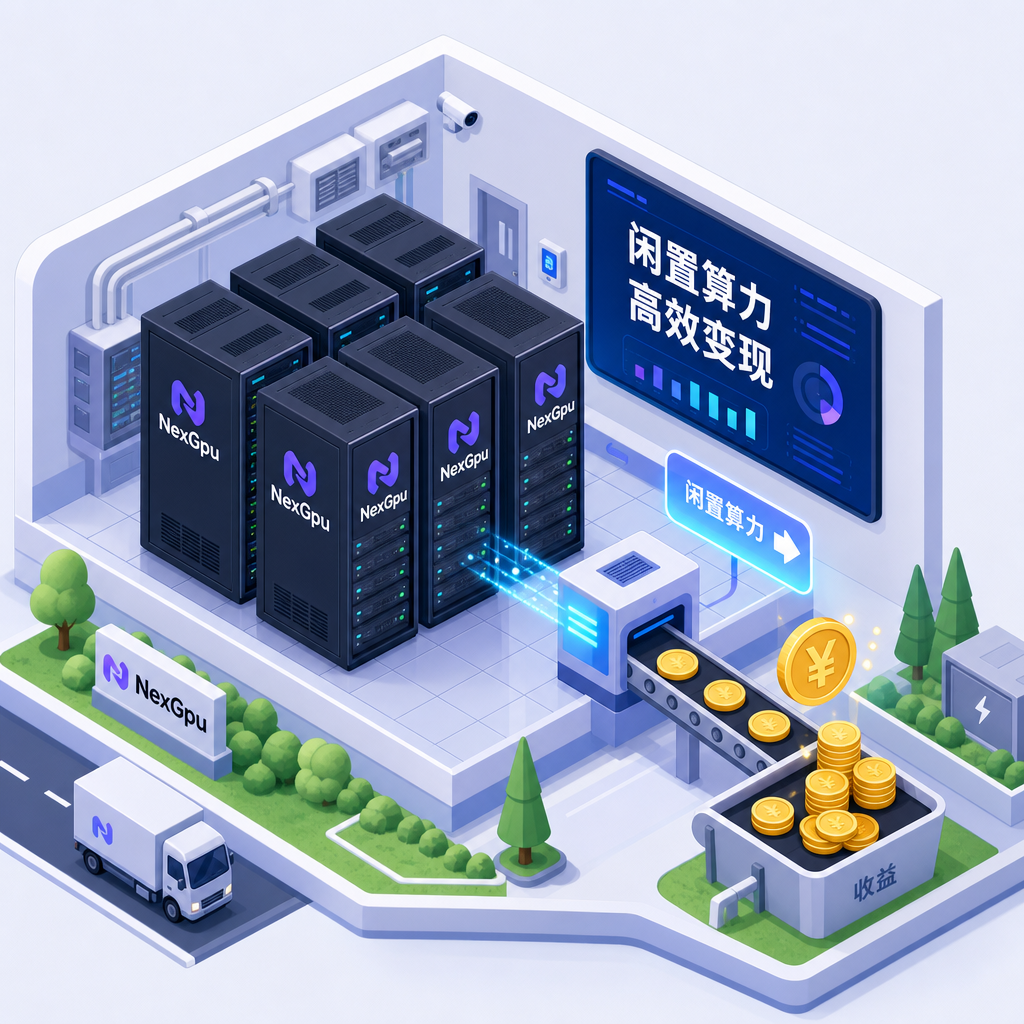
For Meta, this is equally a rational business move. Meta's investment in infrastructure is staggering, with projected capital expenditure (CAPEX) of $115 billion to $145 billion in 2026, most of which goes to purchasing high-performance chips and building data centers. However, with such massive hardware procurement, its internal model development and business consumption cannot always match at every moment.
This objectively leads to periodic computing power surplus. As early as early July, reports surfaced that Meta had established a dedicated research group to explore how to commercialize excess computing power assets. Outsourcing idle cards through computing power rental not only recovers costs from thousands of billions in annual hardware investment but also opens up a high-margin cloud service revenue stream alongside its existing advertising business.
Q3: How does the "resource spillover" from tech giants affect regular developers renting GPUs?
When industry giants like Meta start considering exporting hardware resources, the supply landscape of the cloud GPU market is subtly changing. For the vast number of small and medium-sized enterprises and independent developers, the most direct benefit is the overall increase in market supply, which helps stabilize premiums that have often doubled. Market survey data since July this year shows that idle prices for some mid-to-high-end cards have shown signs of stabilization.
But this does not mean ordinary users can directly rent cards from giants. Cooperation between large companies is typically at the level of tens of billions, with annual long-term contracts. For developers doing daily fine-tuning or small-scale inference, dealing with giants is impractical. In this case, choosing flexible computing power rental services remains the core choice for most small teams and developers.
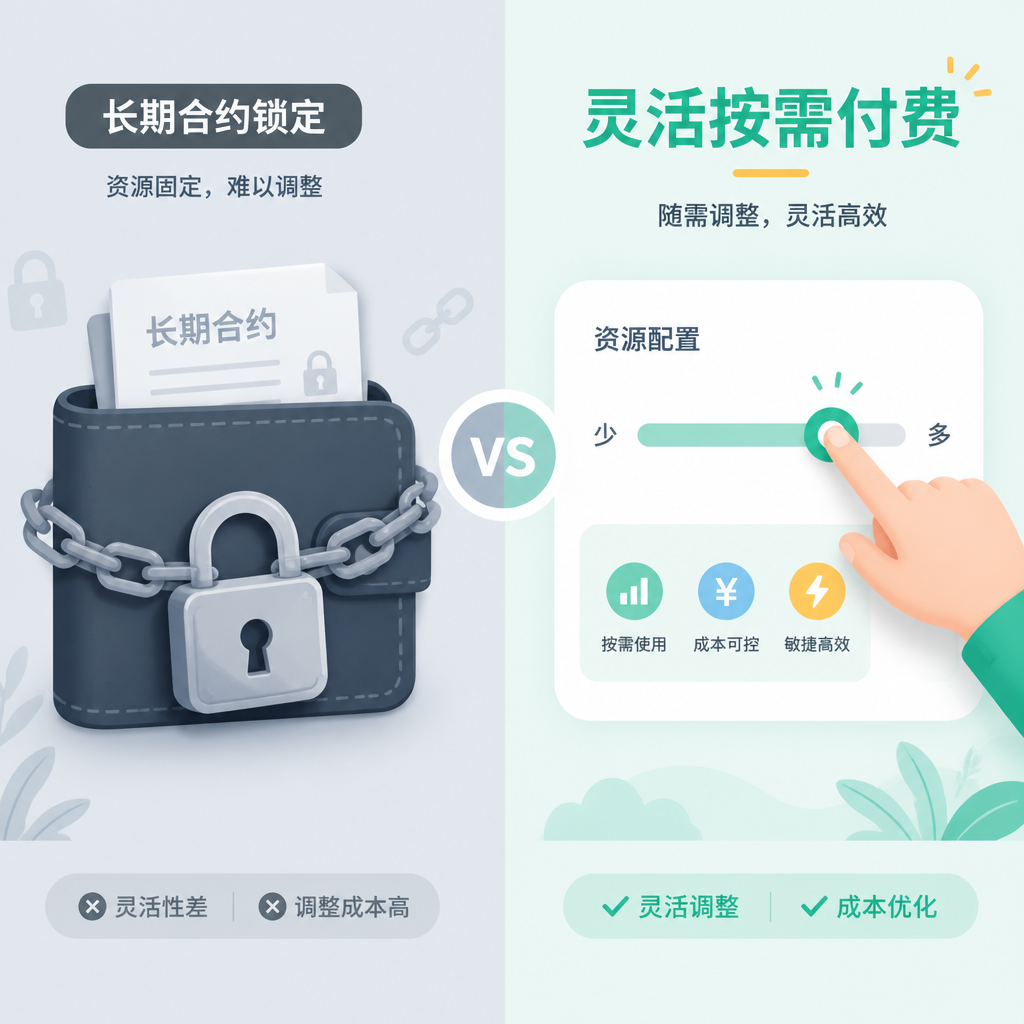
At this point, using NexGpu can quickly deploy the required computing environment, flexibly adjust resources through pay-as-you-go, thereby avoiding being locked into long-term contracts. Moreover, NexGpu optimizes the underlying mainstream deep learning frameworks, so newcomers don't need to spend days configuring complex drivers and communication libraries, achieving a true "ready-to-use" smooth experience.
Q4: Under the new landscape of computing power rental, how can novice teams avoid selection pitfalls?
Facing a complex market, novice teams should consider the following dimensions when making decisions to avoid being misled by low-price traps:
- Reasonable mix of on-demand and spot instances: Spot instances are extremely cheap but can be reclaimed at any time. For long-term training, novices should place core tasks on on-demand instances and allocate only non-urgent parallel tests to spot resources.
- VRAM size matters more than chip generation: Blindly pursuing the latest generation of cards is not always the most cost-effective. In many large model fine-tuning tasks, the bottleneck often lies in memory capacity rather than raw compute. Choosing previous-generation cards with sufficient memory often saves more than renting limited-memory new cards.
- Communication bandwidth and cluster interconnect efficiency: No matter how strong a single card is, if the communication bandwidth between multiple cards (e.g., NVLink speed) is limited, distributed training efficiency will suffer. Before renting, verify the cluster's internal network specifications to avoid wasting computing power waiting for data transfer.
- Platform environment pre-installation and operational support: Many teams waste a lot of time on issues like driver version incompatibility and communication library errors after renting hardware. Choosing a platform that offers rich pre-installed images and immediate technical response can save teams significant time costs.
- Beware of hidden data transfer fees: Some providers charge high public network traffic fees for uploading and downloading massive model weights and training datasets in addition to base compute costs. Before signing, include data ingress/egress traffic costs in your total budget.
The competitive landscape of the computing power market is constantly fine-tuning. From resource sharing that breaks down barriers between tech giants to differentiated breakthroughs by secondary service providers, the usage model of hardware resources is becoming increasingly lightweight. For AI entrepreneurs in this field, seeing the direction of the tide and choosing the most suitable resource acquisition method for their current stage may be the key to rapid iteration of their projects.


Comments(0)