 NexGPU-算力租赁,GPU服务器,GPU云算力,AI服务器租用-新闻博客
In AI project development, compute demand often fluctuates like tides. Training a new model might require dozens of high-performance GPUs running continuously for days, while inference suddenly drops to just a few. Fixed hardware purchases easily lead to idle waste, while pure on-premises deployment struggles with rapid scaling. By 2026, many teams are turning to cloud rental platforms, using on-demand GPU resources to balance cost and efficiency.
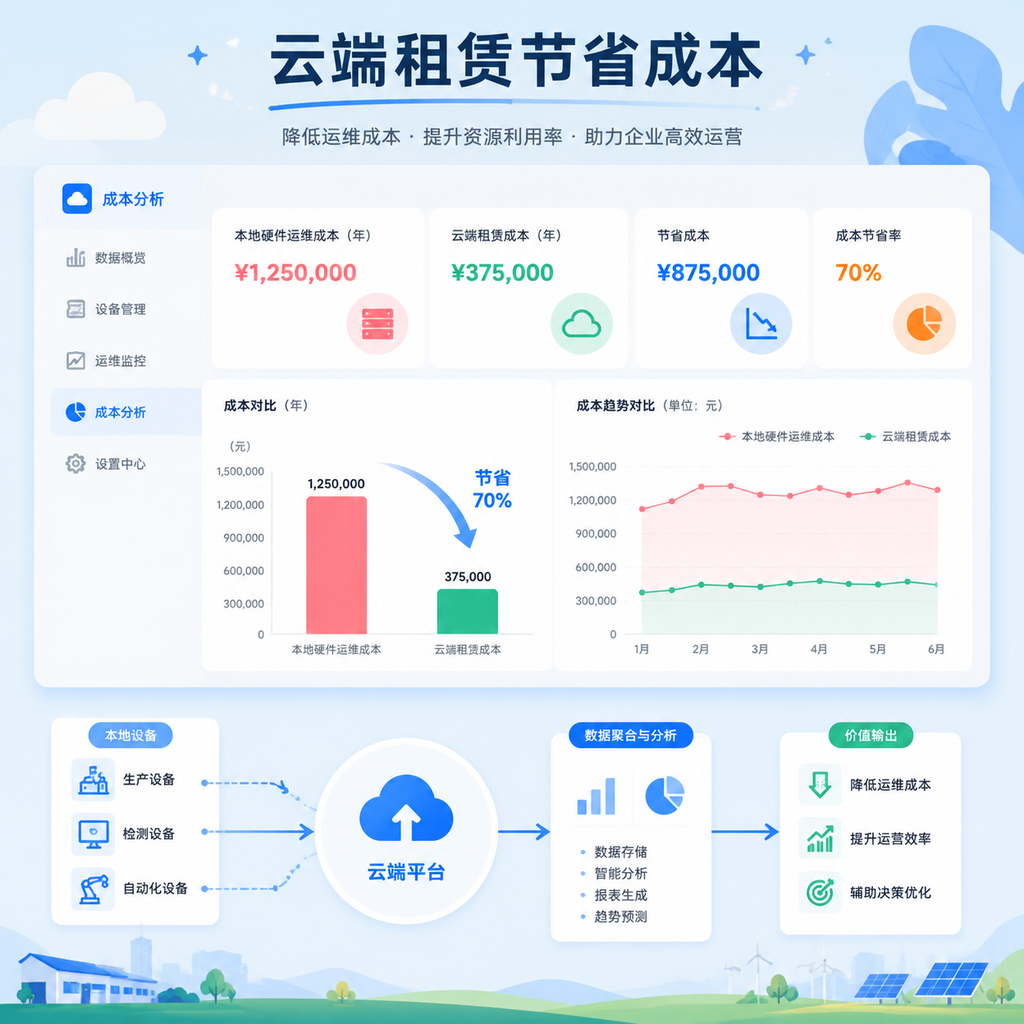
Market data shows that GPU-intensive workloads have grown from 4% to about 18% of total cloud spending. Hardware costs continue to rise, with industrial-grade GPUs costing tens of thousands of dollars per card, making one-time procurement increasingly prohibitive. Cloud leasing neatly sidesteps this pain point: no upfront investment required, and you only pay for actual usage. When unexpected projects arise, clusters can be spun up in minutes and released immediately after completion, avoiding depreciation pressure from long-term ownership.
In practice, the first step in choosing a rental platform is assessing workload type. For training large models, prioritize instances that support the latest architecture, such as cards compatible with FP8 or higher precision, which can significantly shorten iteration cycles. Inference services place more value on stability and low latency, making long-term rental of small to medium clusters suitable. Many developers first test code compatibility on a small scale before scaling up, avoiding waste from renting too large at once.
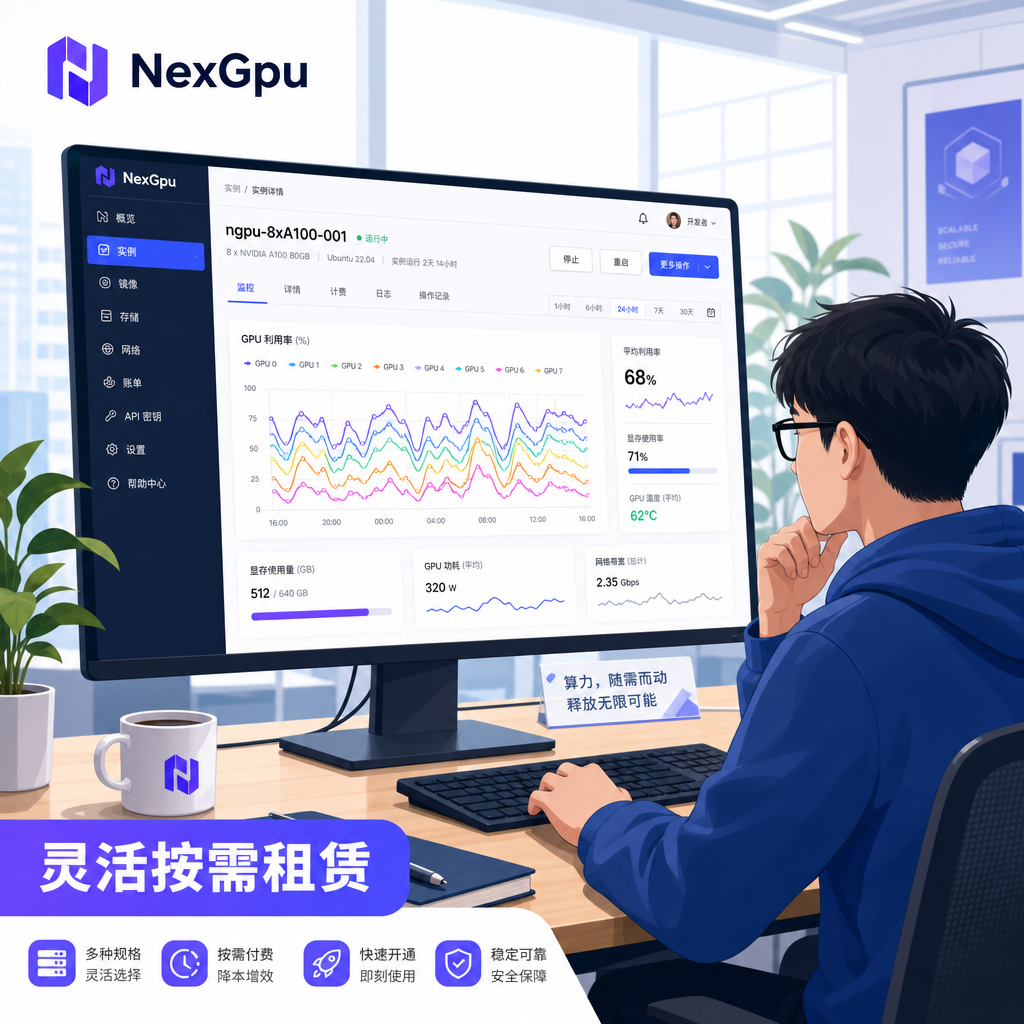
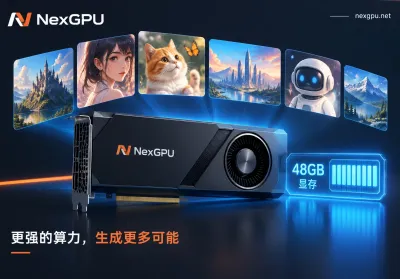
NexGpu, as a dedicated GPU rental platform, offers great flexibility in scheduling. It supports billing by the hour or by project cycle, allowing users to adjust resource amounts based on real-time demand without contract lock-ins. The platform's dashboard also shows GPU utilization curves, helping teams identify idle tasks and optimize code or batch sizes.
Cost control is another core aspect. By 2026, FinOps principles have extended to AI, focusing on monitoring token consumption and GPU idle time. A common mistake is throwing all tasks onto the cloud, only to find that running small models locally is more cost-effective. A recommended approach is to use local RTX-series cards for lightweight tasks and switch to cloud rentals for large models or multi-user concurrency. A hybrid strategy minimizes overall spending while retaining control over data privacy.
In a real-world case, a team used cloud rental to run MoE architecture models, saving significant electricity and maintenance costs compared to building their own data center. They left physical infrastructure pressure to the platform and focused on software-level tuning. Meanwhile, setting up a local AI rack with 2TB of memory can run very large models, but hardware maintenance, cooling, and upgrades become new burdens. Cloud rental delegates these to professional teams, allowing users to focus solely on the models.
Of course, renting is not risk-free. Network latency, data egress fees, and platform stability all need pre-testing. It's advisable to rent short-term instances first to validate the environment before signing long-term agreements. During peak times, comparing prices across multiple platforms can yield more cost-effective options. NexGpu provides transparent resource status displays, allowing users to see available card types and queue status in real time, reducing wait times.
Looking at trends, hyperscalers in 2026 are increasing investment in custom chips to reduce dependence on a single GPU vendor. This actually gives third-party rental platforms more room to play, as they can aggregate resources from different sources and offer finer-grained choices. Companies like Meta plan to open up excess compute, further enriching market supply.
For individual developers or small teams, leasing can also generate extra income—listing idle local GPUs on platforms to offset some costs. The prerequisite is ensuring driver and framework versions match to avoid compatibility issues. Installing CUDA and PyTorch now has mature guides, with the focus on keeping systems clean and regularly applying security patches.
In the long run, AI compute will become more like water and electricity, available on demand. Cloud leasing makes this on-demand model a reality while avoiding the fixed cost trap of on-premises deployment. Before starting a new project, teams should do the math: compare the three-year total cost of ownership for a local data center versus the cumulative cost of flexible cloud rentals, often leading to more rational decisions.
Of course, each project requires considering model size, concurrent users, and data sensitivity. Platforms like NexGpu provide monitoring tools that help track these variables in real time, making decisions more data-driven. Mastering these practical details turns compute management from a bottleneck into a driver of project success.


Comments(0)