 NexGPU-算力租赁,GPU服务器,GPU云算力,AI服务器租用-新闻博客
When an AI R&D team is about to launch and is selecting cloud GPUs, they often get stuck at the first filter: all showing the same H100 80GB graphics card, why do some platforms charge just over $2 per hour while others list it at over $12? A price difference of up to ten times can easily make you suspect that low-priced platforms are misrepresenting their configurations.
For newcomers, understanding the underlying logic of the market is far more important than blindly comparing prices. When considering building a basic environment via GPU rental, you are not facing a uniformly priced commodity market, but a multi-tier market composed of different service architectures, capital models, and hardware packaging levels.
Why Can GPU Rental Prices Vary Nearly Tenfold Across Platforms?
Many beginners tend to view GPU cloud services as standard utilities like water and electricity, assuming that identical hardware models deliver identical computational output. However, an analysis released by the AltStreet team in mid-July 2026, based on over 16,000 daily listings from 9 major platforms, revealed extreme market heterogeneity: even for the same H100 SXM5 GPUs running dense semi-precision floating-point operations (FP16), the hourly price spread across vendors reached 12.9 times.
The root cause of this large dispersion lies in cloud providers' ecosystems and compliance premiums. Prices on traditional hyperscale public clouds typically remain high, ranging from $10 to $13 per GPU per hour. You are not just buying bare-metal GPU compute; you also pay for extremely costly compliance certifications, global multi-availability-zone redundancy, and seamless integration with their complex ecosystems like storage and databases.
In contrast, on decentralized markets or on-demand compute platforms focused on deep learning, listings for equivalent H100 specs can drop to around $2.9. For teams with limited budgets that only need pure compute for model fine-tuning or batch inference, this billing model based on bare-metal performance is clearly more attractive.
What Are Neoclouds? Why Are They So Much Cheaper Than Traditional Giants?
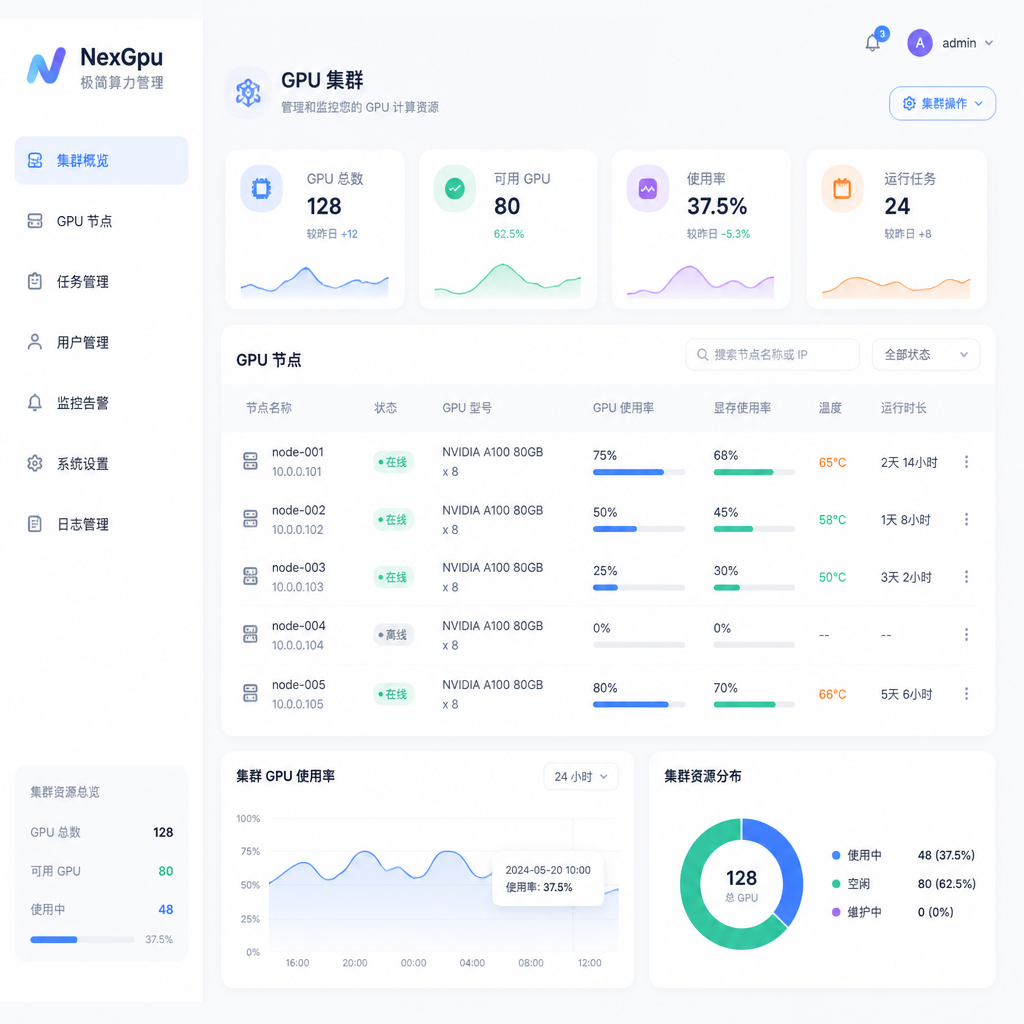
Between traditional public cloud giants and fragmented compute markets, a category of specialized cloud providers known as "Neoclouds" has emerged rapidly in recent years. Newcomers often hear this term in tech communities but may not understand their fundamental differences from traditional cloud vendors.
Neoclouds are cloud platforms built specifically around AI large model training and inference infrastructure. Without legacy baggage, they eliminate the massive general-purpose VM layers and complex management consoles of traditional clouds, directly optimizing all data center resources into high-density GPU clusters.
The market is also undergoing deep changes in hardware procurement costs. A supply chain finance move disclosed in late July indicated that chip giants are assisting Neoclouds like GMI Cloud with hundreds of millions of dollars in latest hardware quotas through direct bad-debt guarantees and revenue sharing. This financing model, deeply backed by the chip manufacturers, significantly reduces Neoclouds' capital costs, enabling them to offer highly cost-effective options in the GPU rental market.
Platforms like NexGpu, which focus on high-cost-performance compute supply, also emerged from this market evolution, offering developers more flexible and lighter-weight compute access, avoiding the brand and compliance premiums of traditional cloud giants.
After the Agentic AI Boom, Why Is VRAM No Longer the Only Criterion?
In the past, when selecting GPU compute, newcomers often focused only on VRAM size and single-card compute. However, during a hardware architecture seminar on July 23, 2026, infrastructure experts highlighted a significant shift: with the widespread adoption of Agentic AI applications, bottlenecks in the central processing unit (CPU) and system orchestration are rapidly becoming apparent.
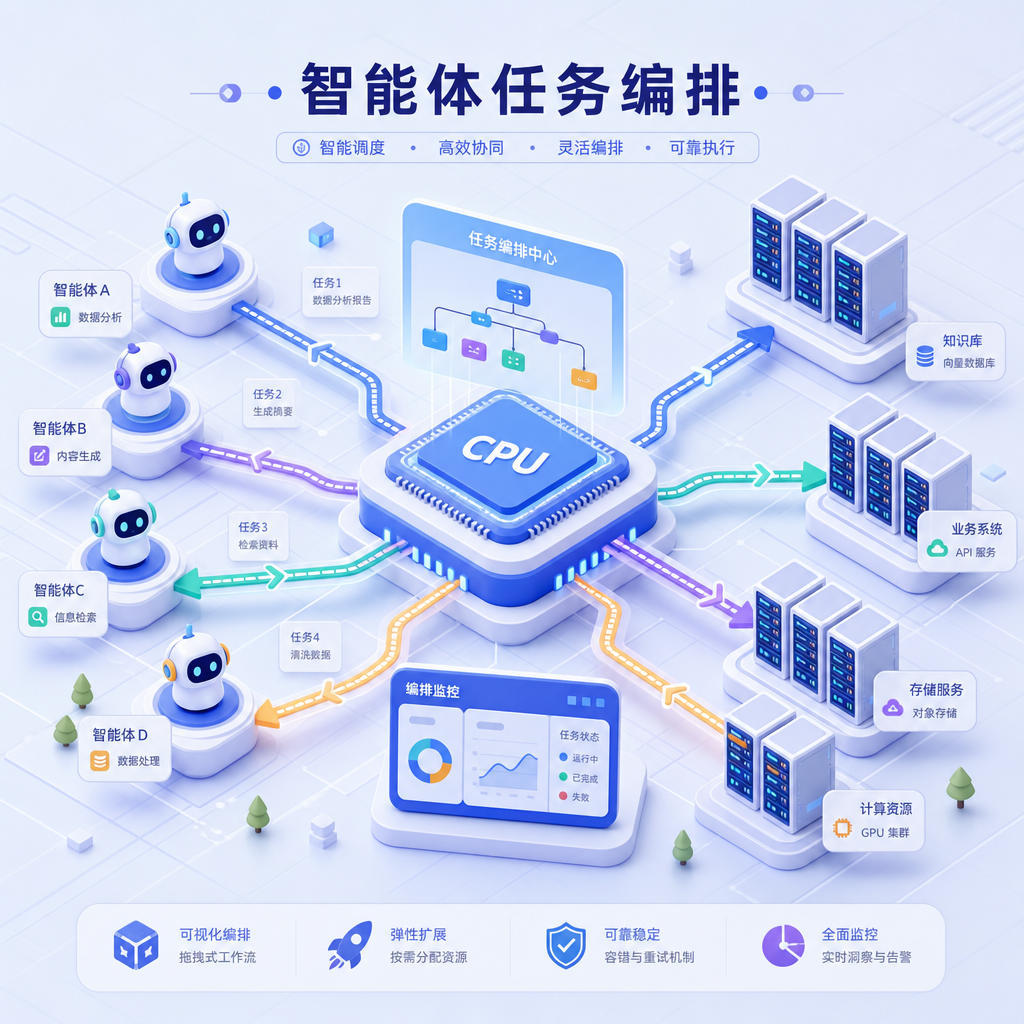
Traditional retrieval-augmented generation typically involves a single one-way inference call, whereas agentic applications need to trigger multiple sub-agents for reasoning, planning, and external API calls. In this complex loop, GPUs frequently wait for CPUs to complete task scheduling and state maintenance, causing expensive VRAM resources to sit idle for long periods.
Meanwhile, the supply chain for core components like high-bandwidth memory (HBM3e) remains tight, extending delivery cycles for high-end servers. If you only focus on GPU VRAM size while ignoring the orchestration capability of the accompanying CPU and rack-level power bus design, the entire cluster may experience significant time-to-first-token (TTFT) jitter when handling high-concurrency agentic requests.
How Should New Teams Evaluate Needs When Actually Renting?
After understanding the underlying logic of various GPU rental providers, new teams facing production launches or experimental validation can establish a clear four-step evaluation process:
- Step 1: Define Task Attributes. Clarify whether the current stage requires production-grade services with high availability and data compliance, or is a short-term fine-tuning task tolerant of fault. The latter can prioritize Neoclouds or dynamic spot instances.
- Step 2: Consider Compute Synergy. For complex agentic or multimodal tasks, evaluate the node's CPU orchestration throughput and inter-GPU interconnect bandwidth, avoiding only looking at VRAM and ending up with compute bottlenecks.
- Step 3: Test Cold Start Speed. Evaluate the provider's network file mount performance and image pull efficiency to avoid situations where compute billing has started but the environment is not yet deployed.
- Step 4: Compare Phased Business Models. For short-term inference tests, prefer flexible per-second on-demand billing; for deterministic, long-duration media inference or training projects, choosing long-term dedicated clusters on platforms like NexGpu usually locks in better overall costs.
This logic helps new teams avoid falling directly into the highest pricing tier of public clouds, achieving more precise compute investment while ensuring smooth business operations.


Comments(0)